+86-571-229177999




 Engels
 简体中文
 рсский
 Español
Most enquiries we receive about Cordura fabric begin with a photograph of a torn bag. A buyer explains that the shell failed at the bottom panel after a season of hauling tools, or that a customer returned a backpack with a hole where the shoulder strap joins the body. Then comes the question: can you supply something that lasts longer?
That is a fair question, and the answer usually points toward Cordura fabric. We have been weaving and coating technical fabrics in Hangzhou since 2002, and it remains one of the most requested shells in our bag and backpack range — not because of the label on the hangtag, but because of how the yarn behaves under abrasion, tearing and constant folding.
Here is a practical walkthrough of what Cordura fabric is, what the denier numbers really tell you, how coatings change the jobs it can take on, and what to check before committing to a bulk order.
What Cordura Fabric Actually Is
Cordura is a brand name, not a weave and not a fibre type on its own. In mill language it describes a family of fabrics built around high-tenacity nylon 6.6 yarn, most often air-textured so the filament takes on a slightly crimped, bulky hand. Air texturing matters more than most spec sheets admit: it makes the finished cloth feel softer and less slick than flat filament nylon, while keeping the strength of the base yarn intact.
The construction is nearly always woven — plain weave, twill, ripstop grids, dobby patterns — and it is the combination of yarn tenacity, weave density and back coating that produces the toughness people associate with the name.
Brand name, not a recipe
This is where many purchase orders go wrong. A supplier may quote "1000D nylon oxford" and a buyer reads it as an equivalent. It is not automatically the same thing. Denier describes yarn weight, not yarn strength, and two 1000D fabrics can differ widely in tenacity, elongation at break and coating adhesion. If a programme genuinely calls for Cordura, ask for the yarn specification and mill documentation. If it simply needs a hard-wearing nylon shell, say so — a straight comparison usually produces a better decision than a vague reference to a brand.
What the Denier Numbers Tell You
Denier measures the weight of 9,000 metres of yarn. A 1000D yarn is heavier than a 500D yarn, which is why 1000D fabrics feel denser and usually resist scuffing for longer. Heavier is not automatically better, though. A commuter daypack that carries a laptop does not need the same shell as a bag that gets dragged across concrete and gravel.
Three things normally settle the choice: the denier of the base yarn, the weave, and the coating. Plain weave is the workhorse; ripstop adds heavier grid yarns so a small tear stops instead of running. Ballistic nylon style constructions use a denser, rounder weave for scuff resistance, and we produce a range of those alongside standard Cordura builds for buyers weighing the two.
| Construction | Base yarn | Approx. finished weight | Where it usually goes |
|---|---|---|---|
| 330D–500D plain or ripstop | high-tenacity nylon 6.6 | 150–220 gsm | daypacks, linings, travel bags |
| 700D–1000D plain weave | air-textured nylon 6.6 | 240–330 gsm | backpacks, luggage, tool bags, workwear |
| 1000D ripstop | air-textured with grid yarns | 250–340 gsm | motorcycle gear, tactical packs |
| 1000D with heavy PU or PVC | air-textured, coated | 300–420 gsm | haulage bags, tarpaulins, industrial covers |
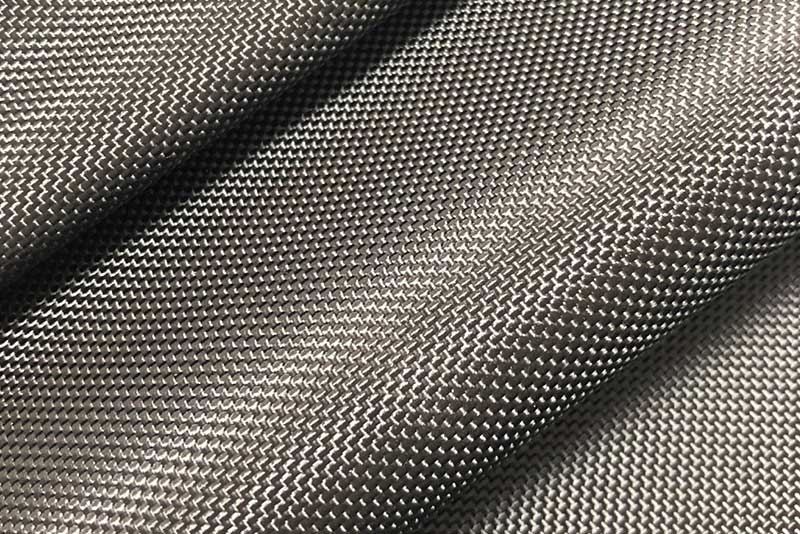
Where a bag will live outdoors in the rain, it also helps to start from a fabric that already handles water at the fibre level. Our 1000D waterproof Cordura build is the specification most buyers ask for first when weight and weatherproofing both matter.
 1000D Cordura Waterproof PU-Coated Fabric for Bags and TentsWaterproof PU-coated 1000D Cordura in 335 gsm and 58-inch width, aimed at bags, luggage and tents, with custom color available.View Product →
Coatings, Backings and Water Resistance
Uncoated Cordura is a strong woven shell, but most bag projects need a back coating for water resistance, dimensional stability and clean cut edges. The coating choice changes the hand, the weight, the cost and how the fabric behaves on the cutting table and sewing floor.
- PU coating — flexible, quiet under the needle and easy to seam; hydrostatic head grades from roughly 1,000 mm to 3,000 mm cover light rain through to sustained wet weather.
- PVC coating — heavier and stiffer, extremely water resistant, and popular where a bag must hold its shape or wipe clean. It adds weight and can stiffen in cold conditions.
- TPE backing — chlorine-free, softer and heat-weldable, which suits factories already running welded seams or moving away from PVC.
- Silicone coating — chosen for heat exposure and packable camping gear rather than everyday bags.
Finish options sit on top of the coating: anti-mildew treatment for humid shipping routes, flame retardancy for tent and industrial work, UV stabilisers for covers that stay in the sun, and anti-static or fluorescent finishes for specialist gear. Each addition should be confirmed against the test the end customer will actually run, not just listed on a data sheet.
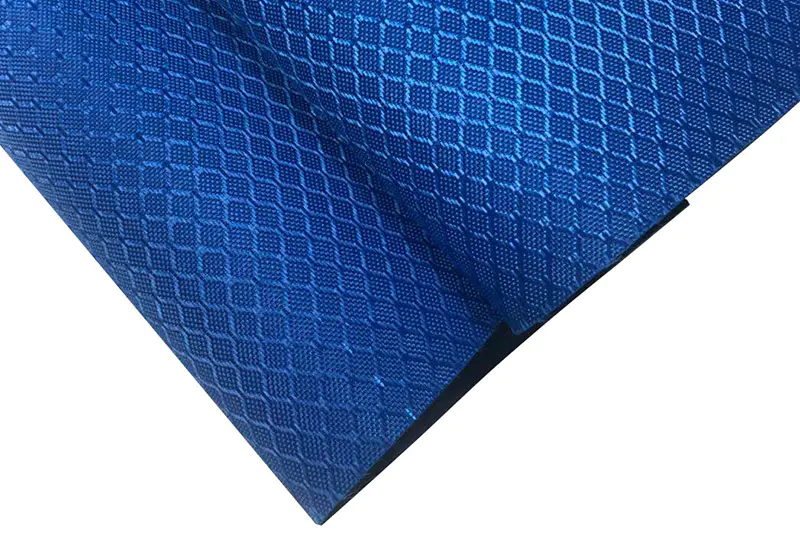
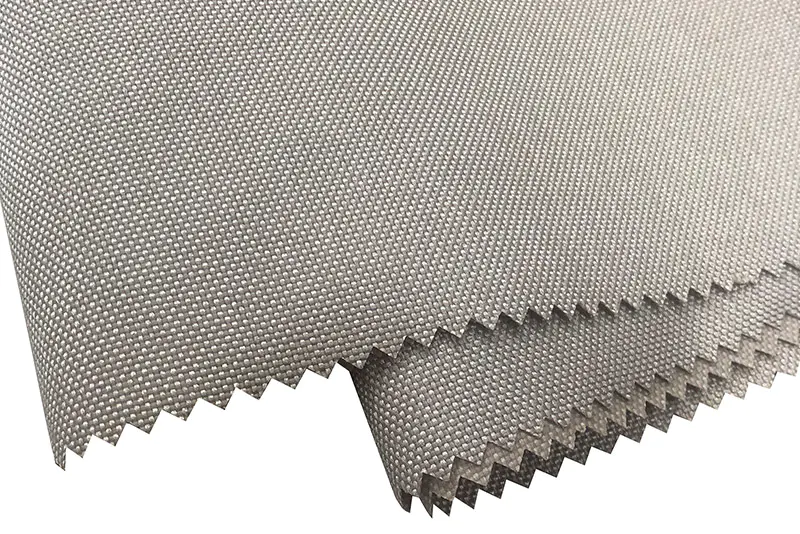 PU-Coated 1000D Cordura Solid Fabric for Backpack BagsA 450 gsm PU-coated Cordura in 1000D*1000D and 58-inch width, supplied for backpack bags and related bag applications.View Product →
Where Cordura Fabric Earns Its Keep
In our experience the fabrics are rarely chosen on brand alone. They are chosen where the failure mode is abrasion or tear and the product cannot afford to come back.
- Backpacks and luggage — bottom panels, base reinforcement and high-wear corners.
- Tool bags and workwear — pockets that rub against hardware all day.
- Motorcycle and cycling gear — abrasion resistance at speed with a coating for rain.
- Outdoor and camping equipment — ripstop builds for packable gear and tent reinforcement points.
- Pet products and industrial covers — chew resistance, UV exposure and repeated folding.
If your factory heat-welds seams, or the brand you supply wants a chlorine-free story, a TPE-laminated Cordura build is the version worth testing first.
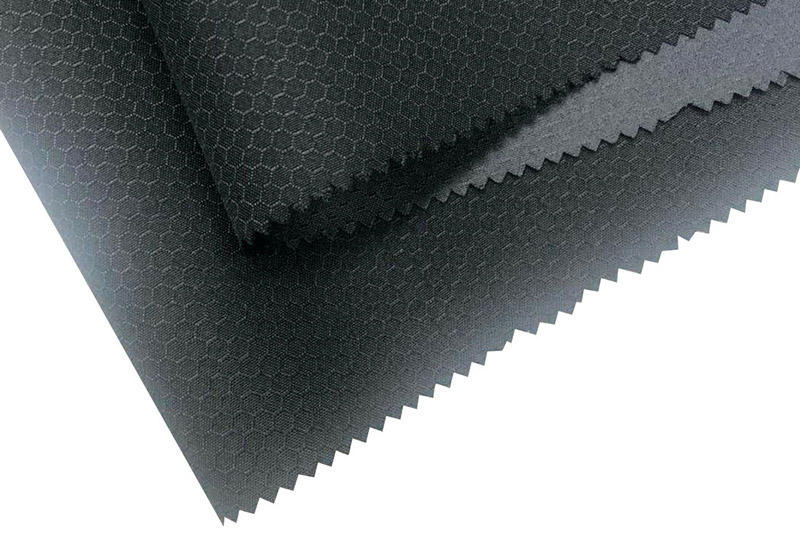
 Cordura TPE Fabric for Bag and Outdoor Textile ApplicationsConsider this Cordura TPE option where heat-welded seams or a chlorine-free requirement are priorities; product-specific coating, weight and width details are not stated.View Product →
Care, Testing and Ordering Notes
Cordura is durable but not indifferent to how it is cleaned. Piece-dyed lots can also show subtle streakiness, which is normal for high-tenacity nylon and best controlled by approving a bulk sample rather than a single swatch.
- Brush off loose dirt before washing; grit works like sandpaper on the weave.
- Wash cool with a mild detergent, and skip fabric softener — it coats the filaments and dulls water repellency.
- Air dry away from direct heat; high dryer temperatures can stress the coating.
- Re-proof water repellency after several washes if the finish is a DWR rather than a solid back coating.
For a fuller routine, our guide on how to care for Cordura fabric properly covers washing temperatures, drying and storage in more detail.
Before bulk production, confirm four tests with your mill: abrasion cycles on the relevant method, tear strength, hydrostatic head, and coating adhesion after flexing. Then ask for a bulk sample from the actual production lot, not a development swatch. Consistency of dye lot, roll width and coating weight matters as much as the headline denier, and it is far cheaper to catch a mismatch before 5,000 metres are on the water.
None of this is complicated once the requirement is broken into yarn, weave, coating and test. That is the conversation we have with buyers every week, and it usually takes one short email and one sample roll to settle — especially when the first answer is "you do not need the heaviest option here, and here is why."
If you are choosing fabric for a bag, pack, cover or workwear programme, send us the drawing, target weight and the conditions the product will meet in use. We will tell you which Cordura build fits, which one is overkill, and what it costs at your volume. You can reach the team through our contact page.



 Tel: +86-571-22917799
 Fax: +86-571-82799678
 E-mail:
 Toevoegen: No.88 Yinxin Rd., Yaqian Town, Hangzhou City, Zhejiang, China.